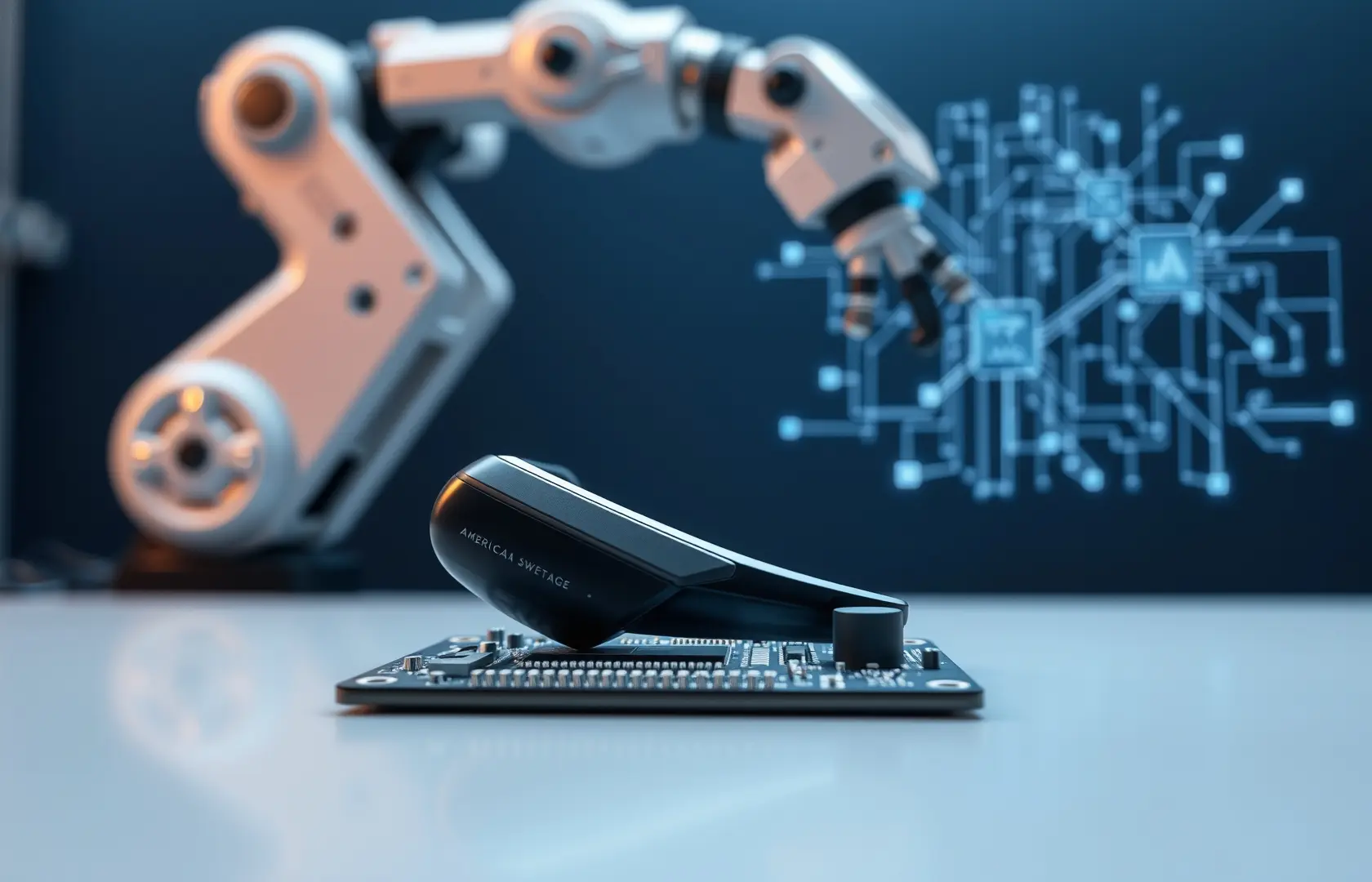
The Shift from Software to Embodied Artificial Intelligence
For years, the industry has viewed the primary creator of ChatGPT as a software powerhouse. However, a significant strategic pivot is underway. The company is now aggressively pursuing a future where intelligence is not just confined to a screen but is “embodied” in physical forms. This transition involves a massive push into robotics and consumer hardware, a move that requires a radical rethinking of the traditional tech supply chain. By actively seeking US-based suppliers, the organization is signaling a commitment to domestic manufacturing that could redefine the competitive landscape of the hardware world.
The goal is clear: to build a resilient, high-speed ecosystem that can support the next generation of physical AI products. This isn’t just about making gadgets; it is about creating a symbiotic relationship between advanced large language models and the mechanical components that allow them to interact with the real world. As the boundaries between digital and physical intelligence blur, the focus on localizing production has become a cornerstone of their long-term survival and growth strategy.
Building a Domestic Supply Chain for the AI Era
The decision to prioritize American suppliers is driven by more than just patriotism; it is a calculated move to mitigate global risks. Recent disruptions in international logistics and shifting geopolitical tensions have highlighted the vulnerabilities of relying solely on overseas manufacturing. By anchoring its production in the United States, the company gains several strategic advantages:
- Enhanced Resilience: Shorter supply chains are less susceptible to the volatility of international trade policies and shipping delays.
- Accelerated Prototyping: Proximity to suppliers allows for faster iteration cycles, which is critical when developing experimental robotics and first-generation AI devices.
- Security and IP Protection: Localizing the manufacturing of sensitive hardware components reduces the risk of intellectual property theft and ensures tighter control over the production process.
This move mirrors larger trends in the semiconductor industry, where leaders like NVIDIA have become central to the global AI infrastructure. For OpenAI, securing a domestic pipeline ensures that its physical products can reach the market without the friction of cross-border logistics.
Project Sweetpea: The Next Frontier in Personal Audio
One of the most anticipated outcomes of this hardware push is a project internally codenamed “Sweetpea.” Reports suggest that this device is a set of AI-powered earphones designed to compete directly with established personal audio products. Unlike traditional earbuds that serve as passive receivers for music or calls, Sweetpea is envisioned as a “voice-first” interface—a wearable assistant that lives in your ear and provides real-time, context-aware intelligence.
The development of Sweetpea marks the first major collaboration between Sam Altman and legendary former Apple designer Jony Ive. Through a multi-billion dollar acquisition of Ive’s startup, io Products, the company has brought world-class industrial design expertise in-house. This partnership aims to move beyond the “screen-addiction” of the modern smartphone era, offering a way for users to interact with AI through natural conversation and ambient listening.
Designing for a Post-Smartphone World
The philosophy behind these new devices is to reduce the friction between human intent and machine execution. If the smartphone was about the eyes and the thumb, the new generation of AI hardware is about the ears and the voice. By leveraging a domestic supply chain, the design team can experiment with high-quality materials and bespoke components that align with the premium aesthetic expected from a Jony Ive collaboration.
Robotics and the Quest for Physical Intelligence
Beyond consumer wearables, the company is reinvesting heavily in its robotics division. After a brief hiatus from physical robotics research, the team is being rebuilt with a focus on commercial application. A key part of this strategy is the investment in startups like Merge Labs, which specializes in human-computer interfaces and brain-computer technology. This suggests a future where robots are not just automated machines but extensions of human capability.
The push for US-based suppliers is particularly vital for the robotics sector. Actuators, sensors, and specialized microchips required for humanoid robots are highly complex. By partnering with domestic firms, the company can ensure that these critical parts meet the rigorous standards needed for “embodied” AI to function safely and effectively in human environments.
In addition to internal development, the organization is strengthening its compute backbone. This is evidenced by major infrastructure moves, such as the Cerebras computing deal, which provides the massive processing power required to train the models that will eventually inhabit these robotic frames.
The Partnership with Foxconn and US Manufacturing
To turn these hardware visions into reality, the company has forged a strategic alliance with Foxconn (Hon Hai Technology Group). This collaboration is focused on manufacturing readiness at Foxconn’s facilities in the United States. By combining world-class manufacturing expertise with cutting-edge AI research, the two entities hope to create a blueprint for the “AI Factory” of the future.
Foxconn’s role is to bridge the gap between a design prototype and a mass-produced consumer product. With facilities in states like Texas already handling high-tech assembly, the partnership provides a ready-made infrastructure to scale the production of everything from AI earphones to sophisticated robotic limbs. This localized approach is expected to create jobs and stimulate innovation within the American tech manufacturing sector.
Why the Move to Hardware Matters for Users
For the average user, this shift means that the intelligence of GPT models will soon become a physical presence in their lives. We are moving away from a world where you “use” a chatbot to one where you live alongside an intelligent environment. Whether it is a wearable that translates languages in real-time or a robot that helps with household tasks, the hardware is the necessary vessel for this intelligence.
The reliance on US-based suppliers also provides a layer of trust. In an era where data privacy and hardware security are top concerns, knowing that a device was designed and assembled under domestic regulations can be a significant selling point for privacy-conscious consumers.
A New Chapter for the AI Industry
The transition into hardware is the most ambitious chapter yet for OpenAI. By securing its own supply chain and partnering with design icons, the company is no longer just a participant in the AI revolution—it is building the tools that will define the next century of human-machine interaction. The success of this move will depend on the ability of American suppliers to meet the unprecedented demands of the AI era, potentially sparking a renaissance in domestic high-tech manufacturing.
As Project Sweetpea moves closer to its rumored late-2026 launch and the robotics team continues to integrate physical intelligence into their models, the tech world is watching closely. The era of the “AI Device” has arrived, and it is being built in the USA.