The High Stakes of AI in Mental Health
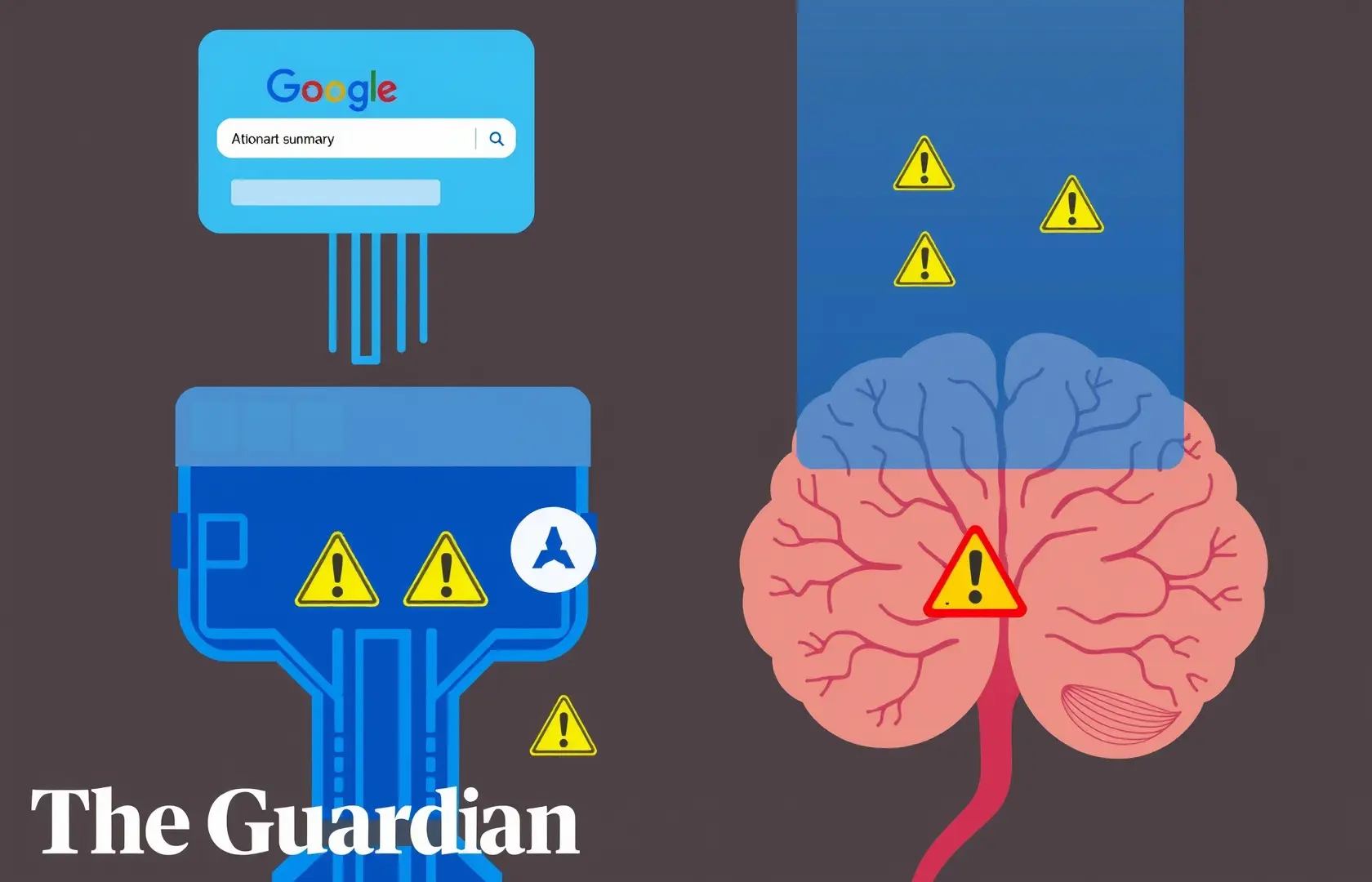
As artificial intelligence becomes increasingly embedded in our daily digital interactions, the way we seek information is undergoing a fundamental shift. One of the most significant changes in recent months has been the introduction of AI-generated summaries at the top of search results. While these tools aim to provide quick answers to complex questions, they are coming under intense scrutiny for their performance in sensitive areas, particularly healthcare and mental wellness.
The transition from a list of credible links to a synthesized AI response has raised significant concerns among clinical experts. When users search for help during a mental health crisis, the stakes are as high as they can get. A subtle error in phrasing or a lack of clinical nuance isn’t just a technical glitch; it can be a life-altering mistake. This has led to a growing conversation about the ethical responsibility of tech giants to ensure that their Gemini technology and similar models do not inadvertently cause harm.
Why Experts Label AI Advice as “Very Dangerous”
Prominent figures in the mental health community have recently sounded the alarm regarding the quality of advice provided by AI search features. Experts from the charity Mind have expressed deep concern after observing instances where AI-generated summaries offered misleading or even harmful guidance to individuals in distress.
Stephen Buckley, a senior representative at Mind, has gone as far as to describe some of these AI responses as “very dangerous.” The core of the issue lies in the fact that these algorithms do not “understand” the gravity of a mental health inquiry in the way a human professional does. Instead, they predict the next most likely word in a sequence based on training data, which can result in summaries that are factually incorrect or clinically inappropriate.
Specific Risks in Psychosis and Eating Disorders
The concerns are not merely theoretical. Investigation into these automated summaries has revealed specific failures in high-risk areas:
- Eating Disorders: In some cases, AI tools have been found to provide advice that could inadvertently reinforce harmful behaviors. Rather than directing users to professional recovery services, the AI may surface generic lifestyle tips that are dangerous for someone struggling with an active disorder.
- Psychosis: For individuals experiencing symptoms of psychosis, clear and grounded guidance is essential. Experts have noted that AI summaries can sometimes provide confusing or contradictory information that may exacerbate a user’s distress rather than alleviate it.
- Crisis Intervention: The most critical failure occurs when an AI fails to recognize a person in immediate danger. If the algorithm prioritizes a summary of symptoms over a clear instruction to contact emergency services, the window for intervention can be missed.
The Mechanics of AI Misinformation
To understand why these errors occur, it is necessary to look at how large language models function. Unlike a medical database curated by doctors, an AI summary is a synthesis of vast amounts of information found across the internet. This includes reliable sources like the NHS, but also unverified forum posts, outdated blogs, and opinion pieces.
Hallucinations and the Lack of Contextual Nuance
A primary technical hurdle for these systems is “hallucination”—the tendency for AI to present false information with absolute confidence. In a medical context, a hallucinated fact about a medication or a therapy technique can be catastrophic. Furthermore, AI lacks “clinical intuition.” It cannot detect the underlying urgency in a user’s tone or recognize when a standard answer is inappropriate for a specific, high-risk scenario.
The challenge of ensuring safety priority in development is an ongoing struggle for the industry. While companies aim for accuracy, the rapid deployment of these features often outpaces the development of robust, context-aware safeguards.
Google’s Safeguards vs. Real-World Failure
On their part, companies like Google state that they have implemented strict guardrails for “Your Money or Your Life” (YMYL) topics, which include health and financial advice. These safeguards are intended to prevent AI from generating summaries for queries that are highly sensitive or where the risk of harm is high.
However, critics argue that these guardrails are too porous. Users have reported that simple changes in wording can bypass the filters, forcing the AI to provide a summary where it should have remained silent. There is also a significant concern regarding “hidden misinformation,” where the AI provides a summary that looks correct at a glance but contains subtle, dangerous inaccuracies regarding medical dosages or specific diagnostic criteria.
How to Find Safe Mental Health Support Online
While technology can be a bridge to help, it should never be the final destination for those seeking mental health support. Experts recommend that users approach AI-generated health advice with extreme caution and always verify information with established medical authorities.
If you or someone you know is seeking mental health guidance, prioritize these reliable resources:
- Official Health Portals: Sites like the National Alliance on Mental Illness provide peer-reviewed, expert-led information.
- Verified Helplines: Always look for direct contact information for crisis hotlines rather than relying on an AI summary of what to do.
- Professional Consultations: Use the internet as a tool to find local practitioners or legitimate telehealth services, rather than as a replacement for clinical diagnosis.
The Need for Human-Led Oversight
The consensus among mental health professionals is clear: AI has a long way to go before it can be trusted as a primary source of health information. The nuance required to support someone in a mental health crisis is a uniquely human capability involving empathy, ethical judgment, and deep clinical training.
As we move forward, the tech industry must prioritize safety over speed. Integrating expert clinical oversight into the training and testing phases of AI development is not just a best practice—it is a necessity to prevent the “very dangerous” outcomes that experts are currently warning against. Until then, the most important advice for any user is to trust the professionals and use AI only as a starting point for deeper, human-led research.