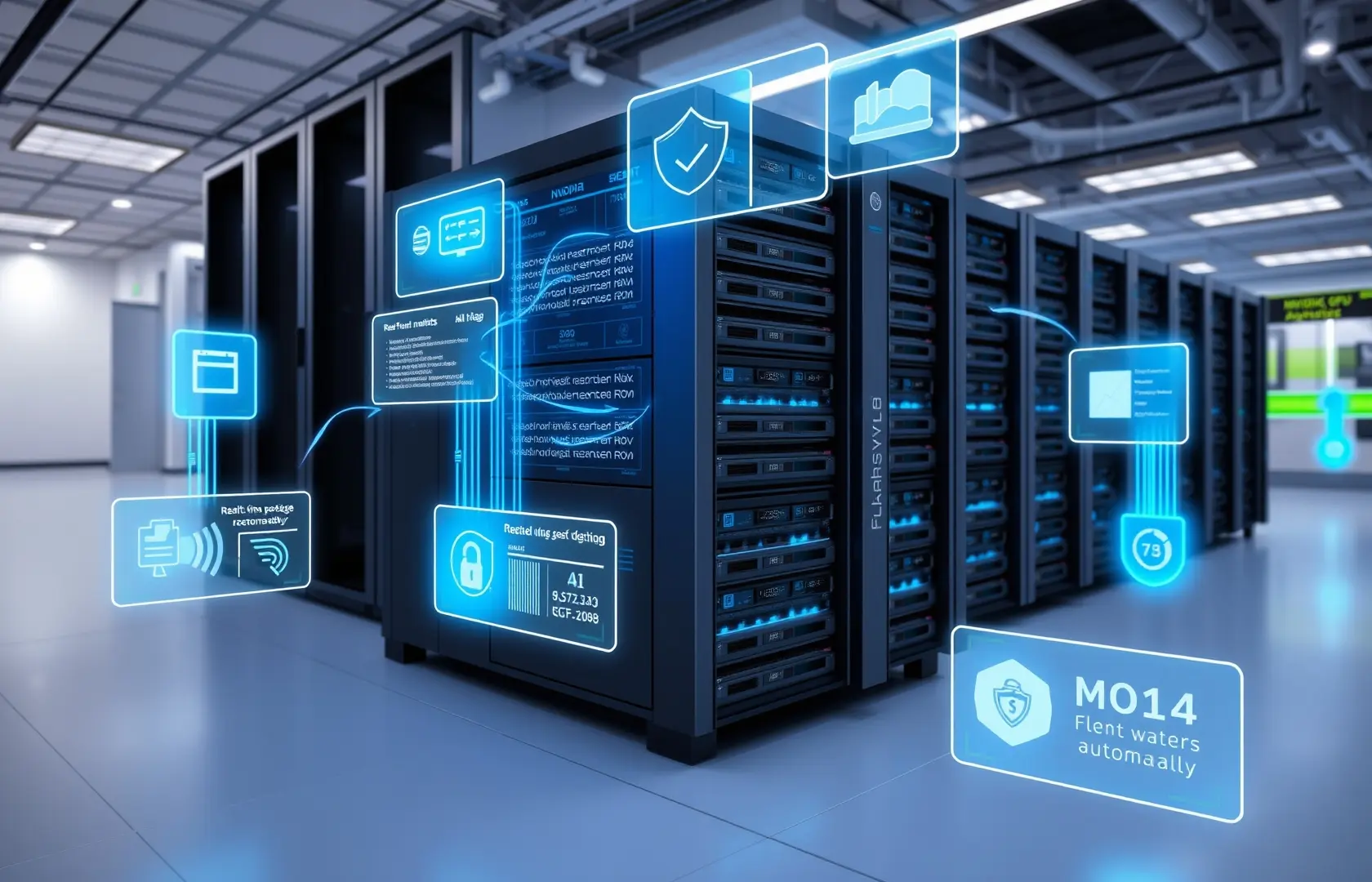
The enterprise data landscape is undergoing a radical shift as the volume of information grows beyond the capacity of human intervention. In response, IBM has introduced a groundbreaking evolution in infrastructure: the first next-generation FlashSystem portfolio powered by agentic AI. This new lineup transforms traditional storage from a static repository into an autonomous, self-managing layer capable of making real-time decisions to optimize performance and security.
By integrating advanced AI agents directly into the storage fabric, IBM aims to alleviate the mounting pressure on IT teams. These systems do not just wait for instructions; they proactively monitor, diagnose, and resolve issues before they impact the business. This transition toward “autonomous storage” represents a significant milestone in the journey toward a fully automated data center.
Understanding Agentic AI in Enterprise Storage
To appreciate the significance of this launch, it is essential to distinguish agentic AI from the generative AI models that have dominated recent headlines. While generative AI focuses on creating content, agentic AI is designed for action. It consists of specialized “agents” that can execute complex tasks, reason through problems, and interact with other systems to achieve specific goals.
In the context of the new IBM FlashSystem, agentic AI acts as a digital co-administrator. These agents are built into FlashSystem.ai, a feature set that allows the hardware to learn from environmental patterns. Much like OpenAI Frontier serves as a command center for digital workers, IBM’s new storage portfolio serves as the intelligent foundation for an enterprise’s data workforce.
The New IBM FlashSystem Portfolio: Built for Autonomy
The cornerstone of this release is the IBM FlashSystem 5600, along with updates across the broader portfolio. These systems are designed to handle the high-throughput, low-latency demands of modern AI workloads while simultaneously managing their own operational health. Key technical enhancements include:
- Autonomous Workload Management: The system can automatically identify performance bottlenecks and reallocate resources without human oversight.
- Predictive Maintenance: By analyzing telemetry data in real-time, the storage agents can predict hardware failures and initiate failover protocols instantly.
- Adaptive Tiering: Data is moved between performance tiers based on usage patterns, ensuring that mission-critical applications always have the fastest access speeds.
IBM claims that these autonomous features can take over up to 90% of routine storage management tasks. This allows IT professionals to shift their focus from “keeping the lights on” to higher-value strategic initiatives, such as refining custom AI agents for specific business units.
Strengthening Cyber Resilience with Autonomous Threat Analysis
In an era of sophisticated ransomware, storage can no longer be a passive participant in security. The new FlashSystem portfolio introduces autonomous threat analysis, which uses agentic AI to sniff out anomalous data patterns that suggest a breach is in progress. Unlike traditional security software that might run on a schedule, these agents provide sustained, 24/7 protection at the hardware level.
When a threat is detected, the system doesn’t just send an alert. It can autonomously trigger immutable snapshots and isolate compromised volumes to prevent the spread of malware. This rapid recovery capability is vital for businesses that cannot afford even an hour of downtime. By embedding security directly into the storage silicon, IBM provides a layer of defense that is nearly impossible for external attackers to bypass.
Synergy with NVIDIA and the Future of AI Infrastructure
IBM’s push into agentic storage is not happening in a vacuum. The company has expanded its collaboration with NVIDIA to ensure that the FlashSystem portfolio integrates seamlessly with high-performance computing clusters. This partnership is crucial for organizations building “AI factories”—massive data centers dedicated to training and deploying large-scale models.
By leveraging IBM’s autonomous storage alongside NVIDIA’s processing power, enterprises can create a streamlined pipeline where data flows efficiently from storage to GPU without the manual tuning that typically plagues such environments. This synergy is a glimpse into a future where the entire IT stack—from the processor to the storage array—is managed by a web of interconnected AI agents.
The Bottom Line for IT Leadership
The introduction of agentic AI into the IBM FlashSystem portfolio is more than a simple hardware refresh; it is a paradigm shift. For IT leaders, the value proposition is clear: reduced operational risk, lower management costs, and a significantly more resilient data infrastructure. As organizations continue to scale their AI ambitions, the ability of their storage to “think” and “act” autonomously will become a competitive necessity rather than a luxury.
With the release of these new autonomous systems, IBM has set a new benchmark for what enterprise storage should be in 2026. The era of the “smart” data center has arrived, and it is powered by agents that never sleep.