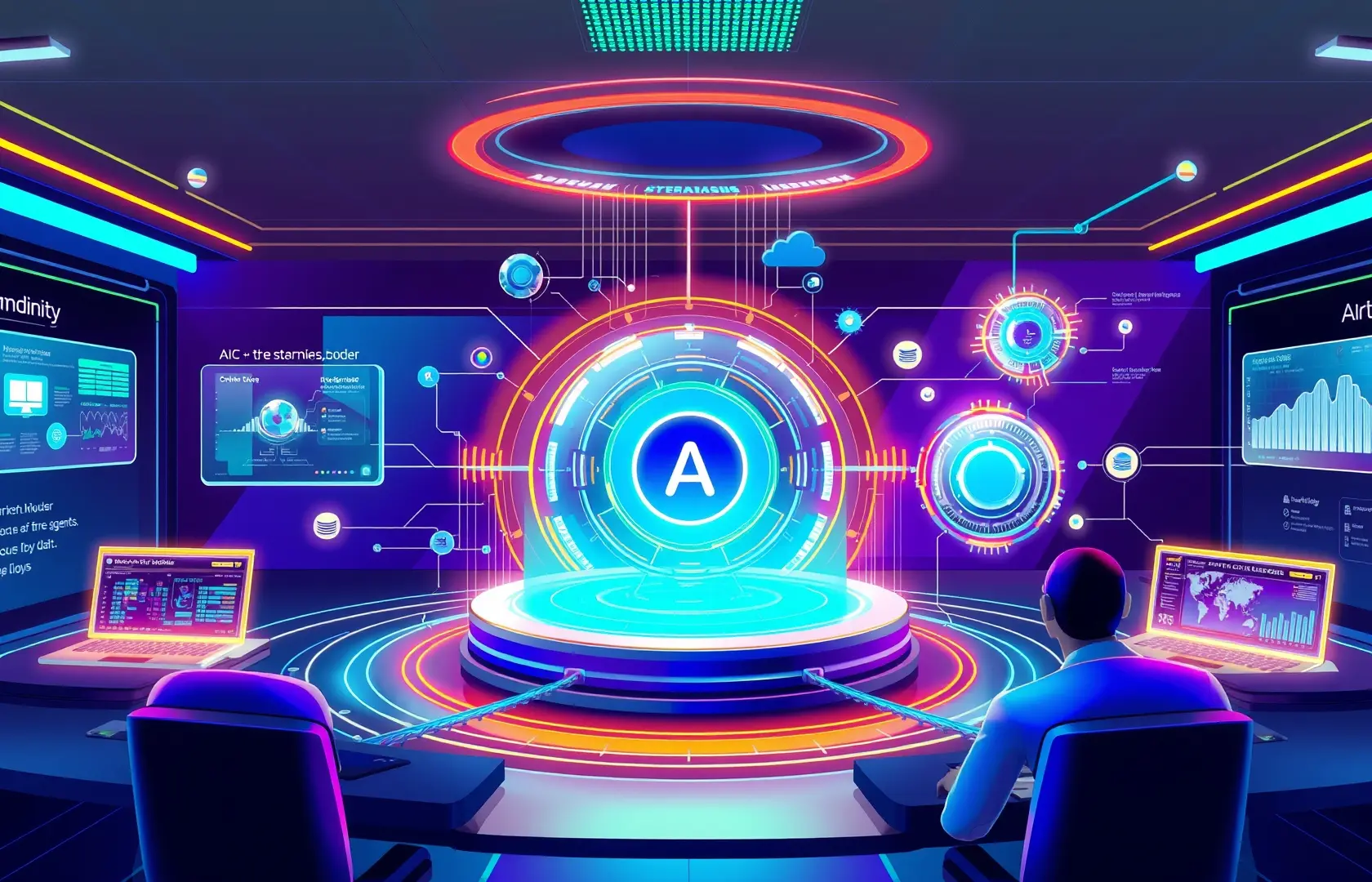
As enterprises transition from passive artificial intelligence to active, autonomous agents, the security landscape is undergoing a radical transformation. Google Cloud has responded to this shift by unveiling a comprehensive agentic AI security strategy. This new approach integrates the high-visibility capabilities of Wiz with Google’s own frontline threat intelligence and the analytical power of the Gemini AI model.
The announcement, made during a major expansion of Google’s cybersecurity portfolio, highlights a future where AI does more than just flag risks—it actively manages them. By combining deep cloud visibility with proactive automation, Google Cloud aims to provide a unified defense mechanism for the “agentic era.”
The Power of the Google-Wiz Integration
The centerpiece of this strategy is the deep integration of Wiz, a leader in Cloud Native Application Protection Platforms (CNAPP). Following a high-profile strategic partnership and acquisition roadmap, Wiz’s ability to scan cloud environments in minutes for vulnerabilities, misconfigurations, and exposed secrets is now a core component of Google’s security fabric.
For organizations operating in complex multi-cloud environments, this integration provides a “single pane of glass” view. Security teams can now correlate Wiz’s infrastructure-level insights with Google’s runtime data. This synergy is particularly important as businesses deploy more AI agents, which often require broad permissions and access to sensitive datasets, creating new potential attack vectors.
Gemini-Driven Threat Intelligence
Google Cloud is leveraging its generative AI model, Gemini, to revolutionize how threat intelligence is consumed and acted upon. Traditional security operations centers (SOCs) are often overwhelmed by the sheer volume of alerts. Gemini in Security Operations helps solve this by:
- Automated Triage: Summarizing complex security incidents into plain-language narratives for faster understanding.
- Intelligent Remediation: Providing step-by-step guidance on how to fix a vulnerability or mitigate an ongoing attack.
- Predictive Analytics: Using historical data and real-time signals to forecast potential attack paths before they are exploited.
By making Google part of the security team, Gemini allows even junior analysts to perform expert-level investigations, effectively closing the cybersecurity skills gap that many enterprises face.
Mandiant and the Unified Security Fabric
The strategy also deeply incorporates the expertise of Mandiant, which Google acquired to bolster its frontline response capabilities. The new Google Threat Intelligence offering combines Mandiant’s world-class incident response data with VirusTotal’s massive database of malware and Gemini’s processing speed.
This “Unified Security” approach ensures that threat intelligence is no longer a static report but a dynamic feed that informs every part of the cloud ecosystem. When a new threat is discovered on the frontlines by Mandiant, the intelligence is instantly pushed through the system to update the protective guardrails for every Google Cloud customer.
Protecting the AI Lifecycle
As more companies build their own custom models, securing the AI lifecycle—from data ingestion to model deployment—has become a priority. Google’s strategy includes specific protections for AI workloads, ensuring that the data used to train models is secure and that the models themselves are not susceptible to prompt injection or data poisoning attacks.
This focus on scaling enterprise solutions is part of a broader collaboration between tech leaders. For example, Cognizant and Google Cloud have already begun working together to help businesses implement these advanced AI protections at scale.
What This Means for the Future of SOCs
The move toward agentic security marks the end of the manual, reactive security era. With AI agents now capable of taking actions on behalf of users, security systems must be equally autonomous. Google Cloud’s strategy empowers these systems to identify a threat, verify it against global intelligence, and initiate a fix—all with minimal human intervention.
By integrating tools across the entire stack, Google is also simplifying the developer experience. Modern developers can now rely on a unified interface for AI agents that ensures security is baked into the code from day one, rather than added as an afterthought.
Conclusion
Google Cloud’s new agentic AI security strategy represents a significant leap forward in enterprise defense. By uniting Wiz’s visibility, Gemini’s intelligence, and Mandiant’s frontline experience, Google is providing the tools necessary to protect the next generation of digital infrastructure. For CISOs and security leads, this unified platform offers a path toward a more resilient, automated, and proactive security posture in an increasingly AI-driven world.