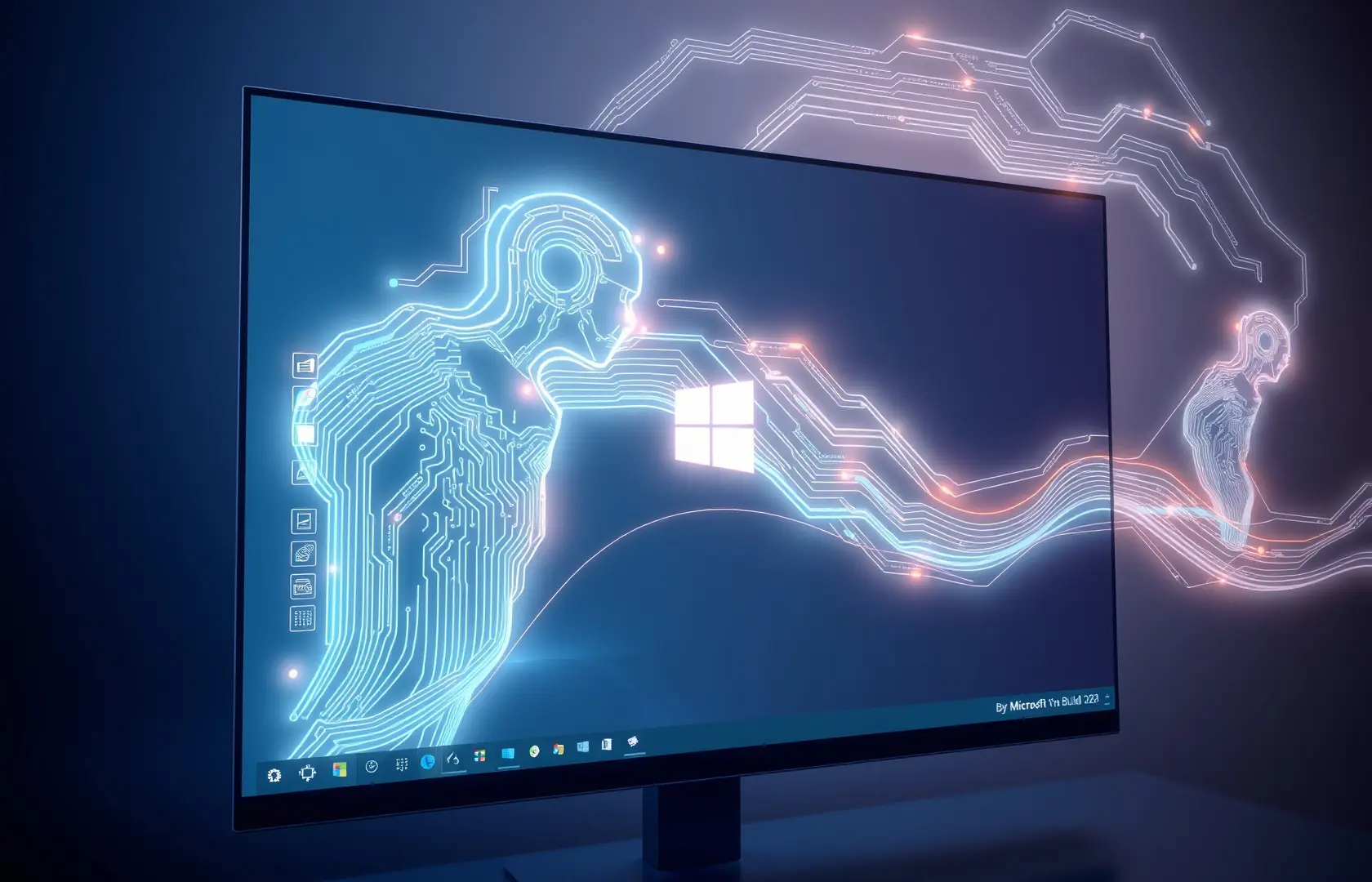
Microsoft Build 2026 has signaled a definitive shift in the desktop computing landscape, marking the official start of the AI-driven takeover of the Windows operating system. As developers and enterprise leaders gathered in San Francisco, the focus shifted from standard software updates to deeply integrated, agentic AI capabilities that aim to fundamentally change how users interact with their PCs.
The Era of Agentic Windows
At the core of the announcements was the evolution of Windows from a traditional application environment into an agent-centric platform. Microsoft is moving beyond simple chatbot interfaces, instead deploying AI agents capable of understanding context, automating complex multi-step workflows, and managing system-level tasks across the entire operating system. This is no longer just about generating text; it is about the system taking action on the user’s behalf.
For those tracking the company’s trajectory, this aligns with their broader commitment to agentic AI and advanced coding technologies, which are being woven directly into the developer experience and consumer software alike. The goal is to reduce the friction between user intent and digital execution.
Integrated Intelligence and Performance
A significant part of this transition involves the modernization of core Windows components. Microsoft showcased how their latest AI models are being leveraged to enhance performance across the board. By optimizing how the OS handles compute-heavy tasks and utilizing local AI processing, the company is ensuring that this intelligence boost does not come at the cost of battery life or responsiveness. This includes advancements in how developers build for the platform, with tools that allow for more seamless cloud integration and more sophisticated agent orchestration.
This push is part of a larger strategy to maintain dominance in the enterprise and consumer spaces. As noted in industry reports, the company is also working to advance Copilot into this new agentic era, ensuring that every layer of the Microsoft ecosystem—from productivity suites to local development environments—is powered by these intelligent agents.
Developer Opportunities and Security
Build 2026 also highlighted the responsibility that comes with such profound systemic changes. Beyond new features, Microsoft emphasized that safety and governance are being built into the architectural foundation of these new Windows features. This is critical as the company works to provide government entities and large organizations with early access for security testing and validation, fostering a collaborative approach to AI deployment.
For developers, the message is clear: the future of Windows development is inherently agentic. The updated toolsets and APIs are designed to empower the creation of autonomous software that doesn’t just sit on top of the OS but communicates with it. Whether it is through improved Copilot integration or local AI model support, developers are being given the keys to build the next generation of computing experiences.
As the AI takeover of Windows continues to unfold throughout the year, the impact will be measured not just by the capability of these new tools, but by how effectively they integrate into the daily lives of millions of users worldwide, making technology feel more personal, capable, and responsive.